

Tree-root control · Evidence and limits
Do Tree Root Barriers Work?
A continuous HDPE barrier can help direct roots away from a protected edge, but the tree, root zone, site, and installation still determine the outcome.
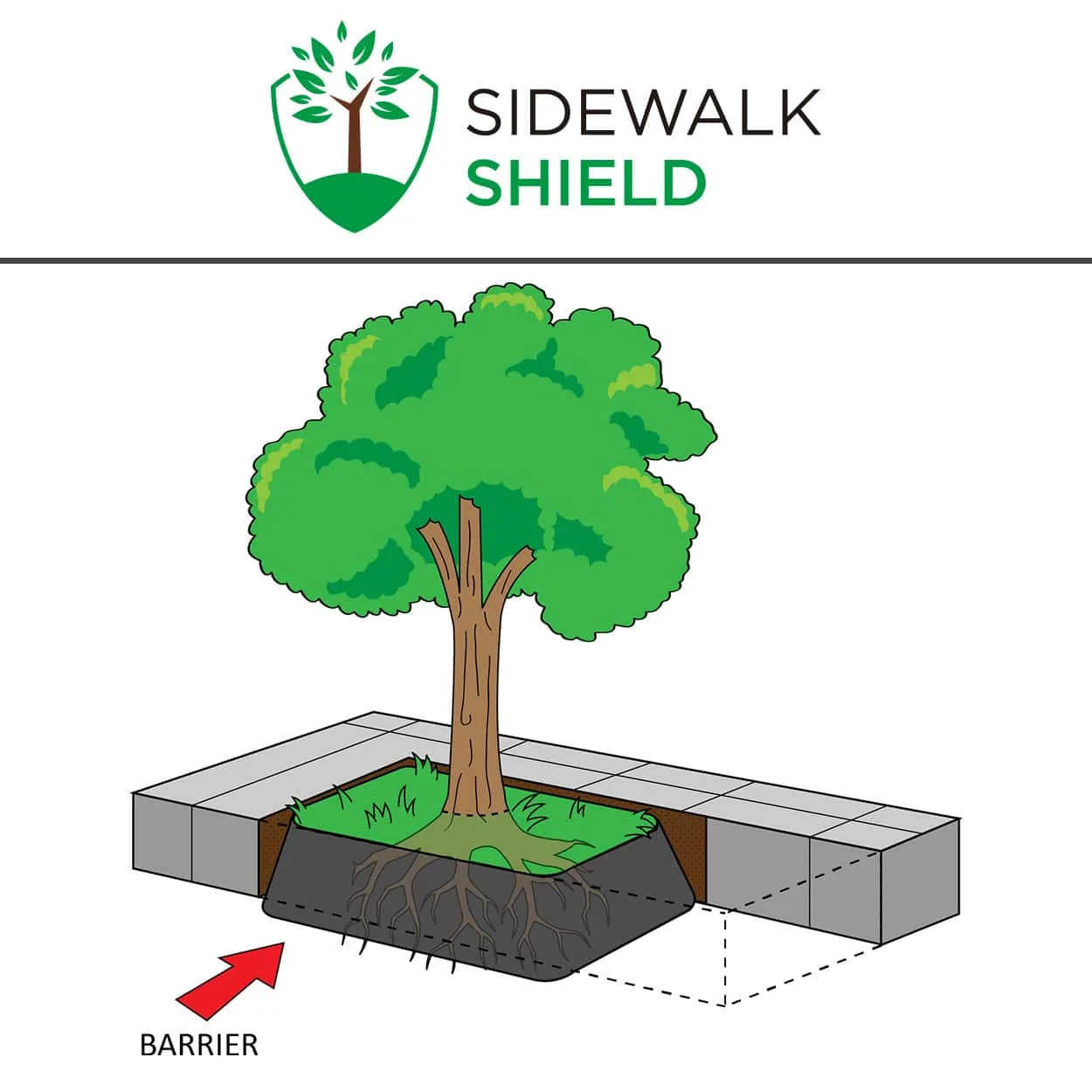
Use barrier as a planning tool, not a repair for existing damage.
Protect usable soil volume and review work around mature roots.
Bring in an arborist when excavation can affect tree health or stability.
A continuous HDPE tree-root barrier can be part of a plan to direct roots away from a sidewalk, curb, driveway, utility zone, or other protected edge. Whether the project works as intended depends on the tree, available planting space, layout, installed depth, drainage, irrigation, surrounding structures, and the quality of the installation.
A root barrier is not a guarantee against every future root conflict. It also does not repair lifted pavement, reverse existing tree damage, or replace qualified site review.
What “working” should mean for the project
Start by naming the infrastructure to protect and the planting area to preserve. A useful plan accounts for both. Simply placing a sheet in the ground without considering usable soil volume, water movement, utilities, and nearby construction is not enough to evaluate the result.
Protech supports two general planning layouts:
- Linear layout: a continuous run between the tree and one protected hardscape edge.
- Surround layout: a continuous boundary defining a larger planned planting zone.
There is no universal enclosure size. The appropriate layout depends on the tree and the site.
What a continuous barrier can contribute
The barrier provides a defined physical boundary along the planned line. The installation method positions it at about a ten-degree angle, with the top closer to the tree and the bottom farther away. The orientation should remain consistent along the run.
The ends also matter. A continuous layout needs a planned overlap and compatible mechanical connection. Backfill should be returned in controlled layers while the line and angle are held in place.
What a root barrier cannot do
- It does not repair pavement that is already lifted or cracked.
- It does not reverse damage that has already occurred to a tree.
- It does not make every tree, planting area, or installed depth interchangeable.
- It does not eliminate the need to check drainage, irrigation, utilities, foundations, and nearby structures.
- It does not make excavation around established roots automatically safe.
Choose a profile from the site plan
The current Protech tree-root range includes three physical profiles:
- 18 inches wide × 80 mil thick: the shallowest tree-root profile in the range.
- 30 inches wide × 80 mil thick: a deeper profile also used for bamboo-containment projects.
- 36 inches wide × 100 mil thick: the deepest and thickest current root-barrier profile.
These dimensions describe the material; they are not a universal prescription for a particular tree or site. Use the protected edge, root-zone plan, site conditions, and qualified guidance to choose the profile. Compare the tree-root barrier options.
Established trees require additional care
Excavation near an established tree may encounter roots or affect stability. Have a qualified arborist review any plan that may involve root cutting or uncertain tree-health consequences. Locate utilities before excavation and evaluate drainage, irrigation, foundations, and usable soil volume before setting the line.
Installation and follow-through affect the result
Keep the documented orientation consistent, mechanically connect a continuous run, and backfill in controlled lifts. After installation, document the barrier location and confirm that drainage and irrigation still work as intended. Include the adjacent paving and planting area in routine inspection.
Read How to Install a Tree-Root Barrier before excavation. If root cutting, tree stability, or planting-space adequacy is uncertain, pause the project for arborist review.
Questions before ordering
The practical details.
Use the application and installation pages for the complete material and field sequence.
Do tree root barriers work?+
They can be a useful part of a site-specific plan to direct roots away from a protected edge. The outcome depends on the tree, root-zone plan, layout, installed depth, drainage, irrigation, surrounding structures, and installation. Protech does not present a root barrier as an absolute guarantee.
Will a root barrier fix an already lifted sidewalk?+
No. A root barrier does not repair existing pavement damage. Repair work and the future root-management plan should be evaluated as separate parts of the project.
Should I use a linear or surround layout?+
A linear run can protect one hardscape edge. A surround layout can define a larger planned planting zone. There is no universal enclosure size; choose the layout from the tree, available soil volume, protected infrastructure, and site conditions.
What depth should I use?+
The Protech range includes 18-inch, 30-inch, and 36-inch-wide profiles, but those material dimensions are not a universal prescription. Select the planned installed depth with the site plan and qualified guidance.
Can I install a barrier beside a mature tree?+
Do not assume excavation near an established tree is harmless. If the trench may encounter roots or affect stability, have a qualified arborist review the plan before digging or cutting roots.
Does the angle of the barrier matter?+
The source installation method uses an angle of about ten degrees, with the top closer to the tree and the bottom farther away. Follow the site plan and keep that orientation consistent along the run.
What else should be checked before installation?+
Locate utilities and review drainage, irrigation, foundations, nearby structures, access, and usable planting space. Confirm those systems still work as intended after backfill.